

Rent-to-own can sound like the perfect middle ground.
You aren’t ready to buy a house today, but you don’t want to keep renting forever.
So instead of renting one home and buying another later, you find a property that lets you rent now with the possibility of buying it in a year or two.
That can be appealing.
It can also put a lot of money at risk if the deal doesn’t work the way you expect.
A rent-to-own agreement may involve an upfront option fee, higher monthly payments, rent credits, repair responsibilities, a future purchase price, and a deadline for qualifying for a mortgage.
If you reach that deadline and can’t buy, you could potentially lose thousands of dollars depending on the contract.
And that’s only one of the risks.
Before signing a rent-to-own agreement, you should understand both sides of the deal:
What could make it useful?
and
What could make it expensive?
Here’s what renters should look at before deciding whether a rent-to-own home actually provides a realistic path to ownership.
The Potential Benefits of Rent-to-Own
Rent-to-own isn’t automatically a bad idea.
There are legitimate reasons someone might consider it.
The important part is making sure the advantages exist in your actual contract, not just in the sales pitch.
Pro: It Can Give You Time to Prepare for a Mortgage
This is probably the biggest potential benefit.
Maybe you’re not ready for a mortgage today because you need time to:
- Improve your credit
- Pay down debt
- Build savings
- Establish more employment history
- Save for closing costs
- Resolve credit-report problems
A two-year rent-to-own agreement could potentially give you time to address those issues while already living in the home you hope to purchase.
But the time only helps if you use it intentionally.
A rent-to-own agreement doesn’t automatically improve your credit or make you mortgage-qualified.
You still need a plan.
Pro: You May Be Able to Lock In a Purchase Price
Some agreements establish the future purchase price when you sign.
Suppose the contract says:
Purchase price: $275,000
Purchase deadline: 24 months
If the home is worth $300,000 two years later, that locked-in price may look attractive.
But this works both ways.
If the market value falls to $250,000, you may be contractually facing a $275,000 purchase price for a home that’s now worth less.
So a locked price is a potential benefit… not a guaranteed one.
Pro: Some Payments May Be Credited Toward the Purchase
Certain agreements provide rent credits or apply an option fee toward the future purchase.
For example:
Option fee: $6,000
Monthly rent credit: $250
Lease term: 24 months
If the contract provides full credit and you satisfy all of its requirements:
$250 × 24 months = $6,000 in rent credits
Add the option fee:
$6,000 + $6,000 = $12,000 in potential purchase credits
That could be meaningful.
But the word potential matters.
Your contract may say those credits disappear if you don’t complete the purchase.
Read exactly how the credits work.
Pro: You Get to Live in the Home Before Buying It
With a traditional purchase, you tour the home a few times and then decide whether to spend hundreds of thousands of dollars on it.
Rent-to-own may give you the unusual opportunity to actually live there first.
You learn:
- How noisy the neighborhood is
- Whether the commute works
- How the house performs in different seasons
- What utility bills look like
- Whether you like the layout
- Whether the yard is manageable
- Whether the neighborhood fits your life
That information has real value.
But living in the home shouldn’t replace a professional inspection.
You can live somewhere for a year without knowing there’s a major roof, foundation, electrical, or plumbing issue.
Pro: It May Give You More Housing Stability
If you already know you want to stay in the area, moving into the home you hope to buy can reduce the disruption of:
Rent to move to buy to move again
If everything works as planned, you may move once and stay.
That can be especially appealing for households with children, pets, or strong ties to a particular neighborhood.
Again, though, this benefit depends on the purchase actually happening.
The Biggest Downsides of Rent-to-Own
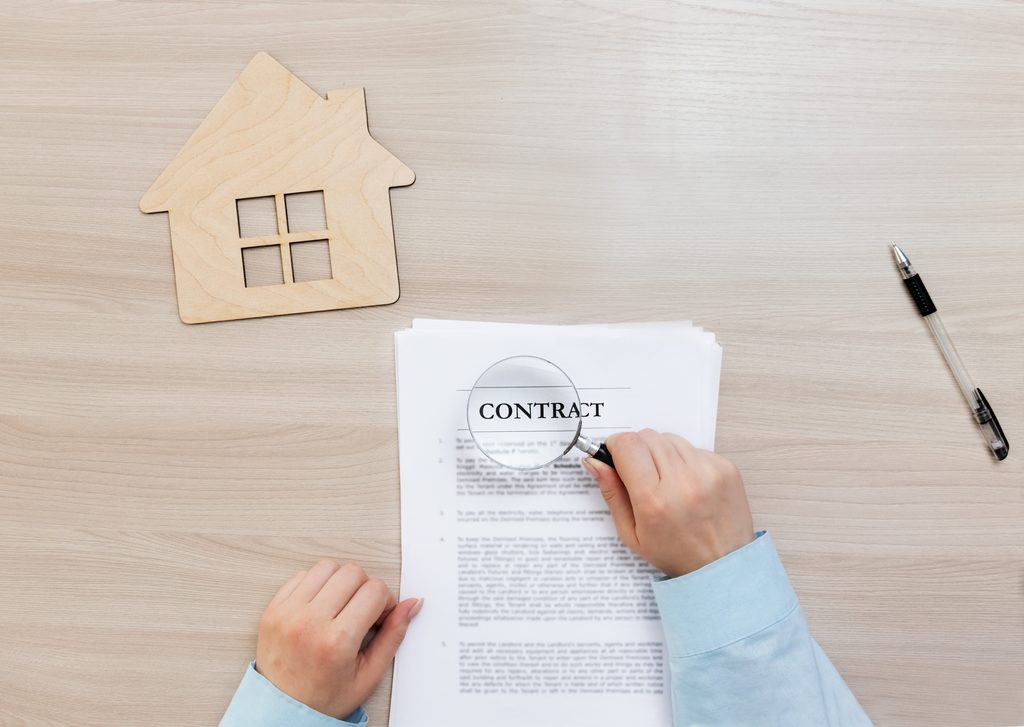
The disadvantages tend to become serious when the purchase doesn’t happen.
That’s why you need to understand the worst-case scenario before getting excited about the best one.
Con: You May Lose Your Option Fee
Many rent-to-own agreements require an upfront option payment.
It could be several thousand dollars.
For example:
Option fee: $8,000
If you eventually purchase the home, your agreement may allow that $8,000 to be credited toward the transaction.
But if you don’t buy?
You may lose it.
That can happen even if your reason for not buying is that you couldn’t qualify for the mortgage you expected.
Before paying an option fee, understand exactly when it is refundable and when it isn’t.
Con: Your Monthly Payment May Be Higher
Rent-to-own homes may cost more each month than comparable traditional rentals.
Sometimes the higher amount is connected to rent credits.
Suppose similar homes rent for:
$1,700 per month
Your rent-to-own payment is:
$2,000 per month
and the agreement gives you:
$250 per month in purchase credits
That may sound reasonable if you ultimately buy.
But if you don’t complete the purchase and the credits disappear, you may have spent:
$300 extra × 24 months = $7,200
above the comparable market rent.
Add an $8,000 option fee and suddenly the failed transaction may have cost you more than $15,000.
That’s why the “What happens if I don’t buy?” calculation is so important.
Con: You Still Need to Qualify for Financing
This is probably the biggest misunderstanding about rent-to-own.
Rent-to-own may delay the mortgage.
It generally doesn’t eliminate the need for one if your plan is to finance the purchase traditionally.
When the purchase date arrives, a lender may still evaluate:
- Credit
- Income
- Employment
- Debts
- Available cash
- Property appraisal
- Loan requirements
If you can’t qualify, the deal may fall apart.
Your landlord or seller telling you:
“You’ll definitely be able to get a mortgage in two years”
isn’t the same as a lender approving you.
Con: The Home Could Be Worth Less Than the Agreed Price
Imagine you agree today to purchase the property for:
$325,000
Two years later, the appraisal says:
$290,000
That creates a problem.
A lender may not be willing to finance the transaction based simply on the price written in your rent-to-own agreement.
Depending on the circumstances, you may have to:
- Bring additional cash
- Renegotiate
- Find different financing
- Walk away
- Deal with whatever consequences your contract creates
Ask what happens if the property doesn’t appraise at the agreed purchase price.
Con: You May Take On Repair Responsibilities Before You Own the Home
Some rent-to-own contracts shift more maintenance responsibilities to the renter than a standard lease would.
You could potentially be expected to handle:
- Appliance repairs
- Plumbing
- HVAC maintenance
- Lawn care
- Routine repairs
- Other property expenses
Imagine paying $4,000 to replace an air-conditioning system in a home you ultimately don’t purchase.
Who keeps the new air conditioner?
The owner.
Unless your agreement says otherwise, you may not recover that money.
Before signing, understand exactly where the landlord’s responsibilities end and yours begin.
Con: One Contract Violation Could Be Expensive
Some agreements contain strict rules about late payments or other lease violations.
Depending on the contract and applicable law, a missed payment might affect:
- Your purchase option
- Your rent credits
- Your option money
- Your ability to complete the purchase
That creates a much higher financial consequence than a standard late rent payment.
Have the agreement reviewed and understand what constitutes default.
Rent-to-Own Red Flags Before You Sign
Some risks are built into the structure of the deal.
Others are warning signs that something may be wrong with the particular transaction.
These deserve special attention.
Red Flag #1: The Seller Won’t Prove They Own the Home
This should stop the process immediately.
You shouldn’t hand someone thousands of dollars for the future right to buy a property without confirming that they actually own it or are legally authorized to sell it.
The FTC has specifically warned about rent-to-own scams involving people who didn’t actually own the property.
Independently verify ownership.
Depending on where you live, that might involve county property records, land records, a title company, a real estate attorney, or another qualified professional.
Don’t rely on a screenshot or document supplied only by the seller.
Red Flag #2: You’re Told Not to Worry About the Title
A person can own a property and still have problems affecting the future sale.
There might be:
- A mortgage
- Tax liens
- Judgment liens
- Ownership disputes
- Other claims against the property
- Foreclosure proceedings
You need to know whether the seller will actually be able to transfer clear title when it’s time for you to buy.
A title search or other professional review can help uncover problems.
Red Flag #3: Property Taxes Aren’t Current
Unpaid property taxes are a serious warning.
The FTC has specifically identified unpaid taxes as a problem consumers have encountered in rent-to-own transactions.
You don’t want to spend two years paying toward a future purchase only to discover that serious tax issues are attached to the property.
Verify rather than assuming.
Red Flag #4: The Property Is in Foreclosure
Imagine paying:
$7,500 option fee
plus:
18 months of above-market rent
only to discover that the property owner hasn’t been paying the mortgage.
The lender forecloses.
Your plan to buy the home may disappear with it.
Before making a large financial commitment, investigate whether the seller’s ownership is stable enough for the agreement to reach the finish line.
Red Flag #5: The Seller Discourages an Inspection
Statements like these should concern you:
“You live here first, so you don’t need an inspection.”
“You can inspect it when you buy.”
“The house is fine.”
If you’re paying significant upfront money based on the intention to purchase the property, its condition matters now.
A professional inspection might reveal expensive issues involving:
- Roof
- Foundation
- Electrical system
- Plumbing
- HVAC
- Water damage
- Structural problems
- Safety issues
Finding those problems after you’ve paid a nonrefundable option fee puts you in a very different negotiating position.
Red Flag #6: “All of Your Rent Goes Toward the House”
This is one of those phrases that sounds wonderful and means almost nothing without numbers.
Ask:
Exactly how much of each payment is credited?
For example:
Monthly payment: $2,100
Rent credit: $300
That means $300– not $2,100– may be credited toward the future purchase, assuming you satisfy the contract requirements.
If someone can’t explain the rent-credit formula clearly in writing, don’t assume one exists.
Red Flag #7: The Purchase Price Isn’t Clear
You should understand either:
the exact purchase price
or
the exact method used to determine it.
Be cautious about vague wording like:
“Purchase price to be determined based on market conditions.”
What does that mean?
Who determines it?
What appraisal is used?
What happens if you disagree?
The more money involved, the less room there should be for ambiguity.
Red Flag #8: Nobody Will Explain What Happens If You Can’t Get a Mortgage
Ask directly:
“What happens if I’m unable to obtain financing by the purchase deadline?”
That’s not being negative.
It’s basic risk management.
Your contract should make the answer clear.
If the answer is:
“Don’t worry about that– we’ll figure it out later,”
you haven’t received an answer.
Red Flag #9: You’re Promised Guaranteed Mortgage Approval
Nobody offering you the home today should guarantee what an independent mortgage lender will approve years from now.
Your future qualification could depend on:
- Credit
- Income
- Debt
- Employment
- Interest rates
- Loan guidelines
- Property value
Be cautious about marketing such as:
“Guaranteed homeownership.”
“Bad credit doesn’t matter.”
“Everyone qualifies.”
“No bank will ever be needed.”
You need to understand the actual financing plan.
Red Flag #10: You’re Pressured to Sign Immediately
A legitimate real estate agreement involving thousands of dollars should survive careful review.
Be wary of:
“Someone else will take the house tonight.”
“You have to pay the option fee before we send the full contract.”
“The lawyer will just slow things down.”
“This is our standard agreement, so there’s nothing to review.”
Urgency is not a substitute for due diligence.
Red Flag #11: The Seller Doesn’t Want You to Talk to a Lawyer
That’s an especially strong warning.
Rent-to-own agreements can involve both landlord-tenant issues and future real estate purchase rights.
State law can significantly affect how those agreements are interpreted.
A qualified real estate attorney represents your interests.
Someone discouraging independent review may have a reason they don’t want another professional reading the contract.
Red Flag #12: The Repair Obligations Are Vague
Ask practical questions.
Who pays if:
The water heater breaks?
The roof leaks?
The HVAC system needs replacement?
The sewer line fails?
A refrigerator stops working?
You shouldn’t need to guess.
The contract should explain who is responsible.
A $15,000 Lesson: Why the Exit Scenario Matters
Consider this hypothetical example.
Taylor finds a rent-to-own home.
The agreement provides:
Regular market rent nearby: $1,700
Rent-to-own payment: $2,000
Option fee: $8,000
Purchase credit: $250 per month
Term: 24 months
Future purchase price: $300,000
Taylor plans to buy after two years.
During those 24 months:
Total rent-to-own payments:
$48,000
Comparable market rent:
$40,800
Difference:
$7,200
Potential monthly purchase credits:
$6,000
Upfront option fee:
$8,000
At month 22, Taylor talks seriously with mortgage lenders.
Taylor can’t qualify for enough financing.
If the agreement says the option fee and rent credits are forfeited when the purchase isn’t completed, Taylor could lose:
$8,000 option fee
plus
$6,000 potential rent credits
and has also paid approximately:
$7,200 more than comparable rent
That doesn’t mean every rent-to-own agreement creates this result.
It shows why you need to calculate the unsuccessful outcome before signing the successful one.
Run the “What If I Don’t Buy?” Test

Before agreeing to rent-to-own, write down:
Upfront option money: $______
Rent above comparable market rent each month: $______
Monthly rent credit: $______
Number of months: ______
Repair costs I could become responsible for: $______
Then ask:
If I’m unable to purchase the home, how much of this money could I lose?
If you’re uncomfortable with that number, the deal may deserve another look.
Verify the Home’s Value
Don’t assume the future purchase price is reasonable because the seller says it is.
Research comparable homes.
Look at recent sales in the area.
Depending on the size of the commitment, consider an independent appraisal or advice from a qualified real estate professional.
For example, paying a $10,000 option fee on a home priced far above comparable properties could put you in a difficult position from the beginning.
Compare the Rent With Similar Properties
Do the same thing with the rental payment.
Find comparable rentals nearby.
Suppose:
Comparable rent: $1,600
Rent-to-own payment: $1,950
Difference: $350 per month
Over 24 months:
$350 × 24 = $8,400
Maybe the agreement provides enough legitimate purchase credits to justify the difference.
Maybe it doesn’t.
You won’t know until you compare.
Talk to a Mortgage Professional Before You Commit
One of the smartest things you can do happens before signing the rent-to-own agreement.
Speak with a mortgage professional.
You can ask:
“If I wanted to qualify to buy a home around this price in 18 to 24 months, what currently stands in my way?”
Maybe you need:
- Higher credit
- Lower debt
- More stable income
- More savings
- Additional employment history
Or you may discover that you’re closer to traditional mortgage qualification than you thought.
If you could qualify for a normal purchase six months from now, paying a large nonrefundable option fee today may deserve extra consideration.
Consider a HUD-Approved Housing Counselor
A HUD-certified housing counselor at a participating agency can offer independent guidance related to homebuying, budgeting, credit, and housing barriers.
That can be especially valuable if you’re considering rent-to-own because traditional homeownership currently feels out of reach.
You can work on the broader question:
“What is the safest realistic path from where I am today to owning a home?”
That path might involve rent-to-own.
It might also involve continuing to rent while preparing for a traditional purchase.
The point is to compare.
Don’t Confuse Rent-to-Own With a Contract for Deed
This distinction matters.
Some alternative home-purchase arrangements may be marketed using similar language, but the legal structure can be very different.
In a typical rent-to-own or lease-option arrangement, you’re renting the property while holding some type of future purchase right.
In a contract for deed, the arrangement generally involves buying the home through installment payments to the seller while the seller retains legal title until the contract is completed.
That can create a very different set of rights and responsibilities.
The Consumer Financial Protection Bureau has warned about risks in contract-for-deed transactions involving title problems, repairs, taxes, liens, missed payments, and buyers potentially losing money they’ve put into the home.
If the document you’re being offered looks more like seller financing than a rental with a purchase option, don’t rely on the label.
Find out what you’re actually signing.
Questions to Ask Before Signing a Rent-to-Own Agreement
You should be able to get clear answers to questions such as:
- Who legally owns the property?
- Is the property currently subject to a mortgage or other liens?
- Are the property taxes current?
- Is there any foreclosure activity?
- How much is the option fee?
- Is the option fee refundable?
- Does the option fee count toward the purchase?
- Does any portion of my monthly rent count toward the purchase?
- What happens to those credits if I don’t buy?
- What is the purchase price, and how was it determined?
- What happens if the property appraises below that price?
- Who is responsible for repairs and maintenance?
- What happens if I pay rent late?
- What happens if I can’t qualify for a mortgage?
- What happens if the seller can’t complete the sale?
- Can I walk away from the purchase?
- What is the exact deadline for exercising the option?
- Can I have the home independently inspected?
- Can I have the title independently reviewed?
- Can my attorney review the agreement before I sign?
A legitimate transaction shouldn’t fall apart because you asked reasonable questions.
Renters.help Rent-to-Own Pre-Signing Checklist
Verify the Property
- Confirm the seller owns the home.
- Check available property records.
- Investigate potential liens or title issues.
- Confirm property taxes are current.
- Check for foreclosure concerns.
- Research comparable home values.
- Research comparable rental prices.
- Consider a professional inspection.
Understand the Money
- Know the option fee.
- Know whether it’s refundable.
- Know whether it becomes a purchase credit.
- Know the monthly rent.
- Know the exact monthly rent credit.
- Understand what happens to credits if I don’t buy.
- Understand the agreed purchase price.
- Estimate my total financial loss if the purchase never happens.
Understand the Contract
- Know whether I have an option or obligation to buy.
- Know the purchase deadline.
- Understand late-payment consequences.
- Understand repair responsibilities.
- Understand what happens if financing fails.
- Understand what happens if the appraisal is low.
- Understand what happens if the seller defaults.
- Receive every important promise in writing.
Check Your Homebuying Plan
- Understand why I’m not mortgage-ready today.
- Have a specific plan for changing that.
- Review my credit.
- Review my debt.
- Build savings.
- Estimate closing costs.
- Talk with a mortgage professional.
- Consider speaking with a HUD-approved housing counselor.
Get Independent Help
- Consider a real estate attorney.
- Use my own inspector.
- Independently verify ownership.
- Consider independent title review.
- Don’t rely entirely on professionals chosen by the seller.
When Rent-to-Own May Be Worth Considering
A rent-to-own arrangement may be worth exploring when several things line up.
For example:
You genuinely want the particular home.
The price appears reasonable.
The option fee is financially manageable.
The contract is clear.
You understand the downside.
You’ve independently verified the property and seller.
The purchase deadline gives you enough time.
And you have a realistic path to mortgage qualification.
The agreement should still make sense after someone other than the seller examines it.
When Continuing to Rent May Give You More Flexibility
There’s nothing wrong with looking at a rent-to-own home and deciding:
Not yet.
You could continue renting normally while using the same period to:
- Improve credit
- Reduce debt
- Build savings
- Create an emergency fund
- Research first-time buyer programs
- Prepare for mortgage qualification
The money you might otherwise spend on a nonrefundable option fee could potentially remain in your savings.
You also preserve the freedom to choose from many homes later instead of committing today to one particular property.
That flexibility has value.
Sources & Methodology
This guide was last reviewed in September 2026.
Renters.help used consumer guidance from the Federal Trade Commission, Consumer Financial Protection Bureau, and U.S. Department of Housing and Urban Development to inform this article.
The FTC has specifically warned consumers about risks associated with rent-to-own home deals, including ownership problems, unpaid property taxes, foreclosure, property-condition issues, and difficulties obtaining financing.
CFPB provides additional guidance about alternative home-financing arrangements and the risks associated with contracts for deed and other nontraditional paths to homeownership.
HUD provides access to certified housing counselors who can assist consumers with homebuyer preparation, credit, budgeting, and housing decisions.
Rent-to-own laws and contract requirements can vary significantly by state and by the structure of the transaction. This article provides general educational information and isn’t legal, mortgage, real estate, tax, or financial advice.
What Renters Should Know Before Signing a Rent-to-Own Agreement
Rent-to-own can provide something valuable:
time.
Time to improve your credit.
Time to save.
Time to prepare for a mortgage.
Time to decide whether a particular house really feels like home.
But that time can be expensive if the agreement is poorly structured or the purchase never happens.
Before signing, look beyond:
“Could I own this house someday?”
Ask:
“What happens to me financially if I don’t?”
Verify who owns the home.
Investigate the title.
Understand the option fee.
Calculate the real monthly cost.
Know exactly how rent credits work.
Find out who pays for repairs.
Get the home inspected.
Have the agreement independently reviewed.
And create a realistic plan for qualifying for the purchase before the deadline arrives.
A good path to homeownership shouldn’t require you to ignore uncomfortable questions.
It should become clearer the more questions you ask.
Considering rent-to-own because you’re not quite ready to purchase today? Use the Renters.help Credit Score Estimator, Down Payment Planner, and Rent vs. Buy Analyzer to see where you stand and build a more realistic path toward homeownership.