
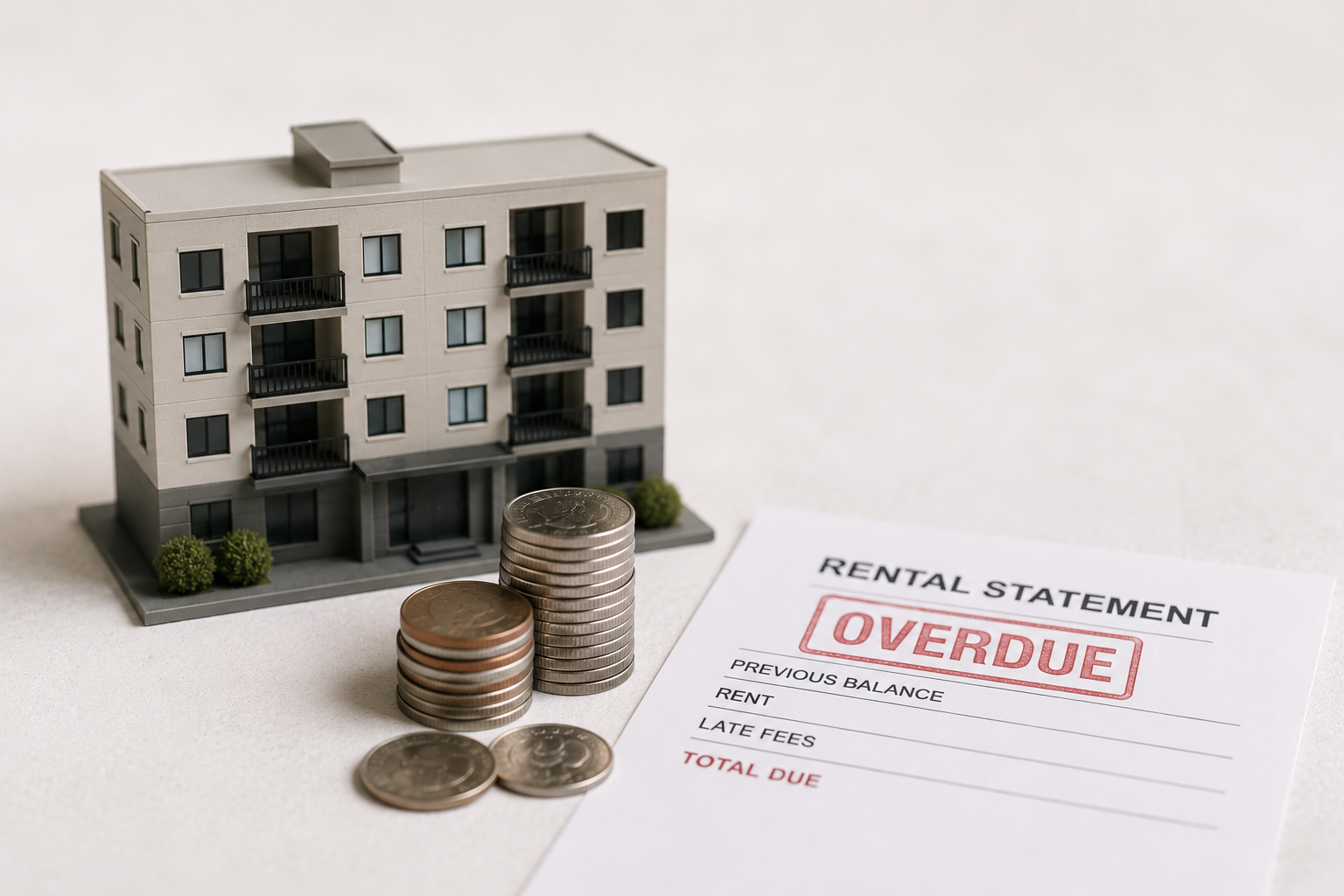
Rental debt can feel like a shadow that follows you from one apartment application to the next.
Maybe you moved out and later received a bill from your old landlord. Maybe you broke a lease early. Maybe there was unpaid rent, damage charges, utility fees, or a balance you didn’t know about until it showed up in collections. Or maybe you believe the debt is wrong, but it’s still affecting your ability to rent.
So, can rental debt keep you from renting?
The honest answer is: yes, it can. But it doesn’t always mean you’re out of options.
Rental debt can make a landlord nervous because it’s directly connected to housing. A credit card collection may raise concerns, but unpaid rent from a previous apartment can feel more relevant to a landlord deciding whether to hand over the keys.
That doesn’t mean every landlord will automatically deny you. It means you need to understand what’s being reported, whether the debt is accurate, and how to prepare before applying again.
What Is Rental Debt?
Rental debt is money a landlord, property manager, or rental company says you owe from a current or past rental situation.
It may include:
- Unpaid rent
- Late fees
- Lease-break fees
- Unpaid utilities
- Cleaning charges
- Damage charges
- Court-related costs
- Move-out charges
- Fees listed in the lease
- A balance left after your security deposit was applied
Sometimes rental debt is clear. For example, if you missed two months of rent before moving out, the landlord may claim that amount.
Other times, it’s messier. You may move out thinking everything was handled, then later receive a bill for damages, cleaning, utilities, or unpaid fees. In some cases, the landlord may send the balance to a collection agency. In other cases, the balance may appear in a tenant screening report.
That’s where the problem can grow. A debt that started as a landlord balance can become a collection account, a screening issue, or a reason for another landlord to deny your application.
Why Rental Debt Matters to Landlords
Landlords are usually trying to answer one basic question:
Will this applicant pay rent on time and follow the lease?
Rental debt can raise a red flag because it suggests there may have been a problem with a past lease. Even if the situation was complicated, the new landlord may only see a balance, collection, or screening note.
A landlord may worry about:
- Whether you’ll pay rent on time
- Whether you left a previous balance unpaid
- Whether the debt is connected to an eviction
- Whether there are unpaid damage charges
- Whether the debt is recent
- Whether the issue has been resolved
- Whether you’re likely to repeat the same pattern
That doesn’t mean the landlord has the full story. Maybe the balance is wrong. Maybe the landlord kept your deposit unfairly. Maybe you disputed the charges. Maybe the debt belongs to someone else. Maybe you were affected by job loss, illness, or a family emergency.
But unless you review the information and gather documents, the new landlord may only see the negative item.
Where Rental Debt Can Show Up
Rental debt may show up in more than one place.
It may appear on:
- A tenant screening report
- A credit report
- A collection agency account
- A landlord reference
- Housing court records
- Internal records from a property management company
- A rental ledger from a previous landlord
This is why checking only one report may not be enough.
You might look at your credit report and not see the rental debt, but it could still appear in a tenant screening report. Or it may not show up in a screening report, but a past landlord may mention it during a reference check.
Tenant screening reports can include rental history, credit information, missed rent, housing court records, bankruptcy, lawsuits, criminal records, and other background information. Some screening companies may also provide a score or recommendation to the landlord.
That’s why rental debt can be frustrating. You may not always know where it’s showing up until you apply and get denied.
Can Rental Debt Keep You From Getting Approved?
Yes, rental debt can affect approval.
A landlord may deny an application if they see unpaid rent, a collection account from a previous landlord, or a tenant screening report that shows a rental balance. Some landlords may automatically deny applicants with unpaid rental debt. Others may review the situation case by case.
The details matter.
A landlord may look at:
- How much the debt is
- How old the debt is
- Whether it’s paid, unpaid, settled, or disputed
- Whether it came from unpaid rent or move-out charges
- Whether it’s connected to an eviction case
- Whether you have proof that it was resolved
- Whether your current income is strong enough for the new rent
- Whether you’ve had good rental history since then
For example, a $250 move-out cleaning charge from five years ago may be viewed differently than $4,000 in recent unpaid rent. A paid rental collection may be viewed differently than a current unpaid balance. A disputed debt with documents may be viewed differently than a debt you can’t explain.
The problem is that tenant screening reports and landlord policies don’t always handle nuance well. That’s why preparation matters.
Paid Rental Debt vs. Unpaid Rental Debt

Paying rental debt can help, but it may not erase the issue immediately.
If you pay or settle rental debt, ask for written proof. Don’t rely on a phone conversation. Get documentation showing the account was paid, settled, resolved, or brought to a zero balance.
Useful documents may include:
- A paid-in-full letter
- A settlement letter
- A zero-balance statement
- A receipt
- A payment confirmation
- A letter from the landlord
- An updated collection notice
- A copy of the payment plan agreement
If the debt was sent to collections, ask how the collector or landlord will update the account. If the balance is wrong, don’t pay just to make it go away without understanding what you’re agreeing to. Paying a debt can sometimes make it harder to dispute certain details later, depending on the situation.
If the debt is accurate and you can afford to resolve it, doing so may help your future applications. If you can’t pay it all at once, a payment plan may help show that you’re taking responsibility, but not every landlord will treat a payment plan the same as a paid balance.
What If the Rental Debt Is Wrong?
Rental debt can be wrong for a lot of reasons.
Common problems include:
- The balance was already paid.
- The landlord didn’t apply your security deposit correctly.
- Charges were added after move-out without proper explanation.
- You were charged for normal wear and tear.
- You were charged for utilities you didn’t owe.
- The amount is higher than the lease allowed.
- The debt belongs to a roommate or someone else.
- The account is duplicated.
- The debt is too old to be reported.
- The tenant screening report is missing important context.
- The court record doesn’t show the final outcome of the case.
If you believe the debt is wrong, gather documents before you dispute it.
Helpful documents may include:
- Your lease
- Move-out photos or videos
- Security deposit statement
- Rent receipts
- Bank statements showing payment
- Money order receipts
- Emails or texts with the landlord
- Court records
- Settlement agreements
- Utility bills
- A move-out inspection report
- A letter from the landlord
- Debt collection notices
Then dispute the inaccurate information with the company reporting it. That may be a tenant screening company, credit reporting company, collection agency, or another company that provided the information.
Be specific. Don’t just say, “This debt is wrong.”
Say something like:
“The report lists a $1,200 rental balance from ABC Apartments. This balance was paid on March 4, 2025. I’ve attached a receipt and zero-balance statement from the property manager. Please investigate and update or remove the inaccurate balance.”
Specific disputes are easier to investigate.
What If a Debt Collector Contacts You About Rental Debt?
If a debt collector contacts you about rental debt, don’t ignore it. But don’t panic either.
Debt collectors generally have to provide certain information about the debt, often called validation information. This may include details about the debt, the current amount, the creditor, and how to dispute it.
If you don’t recognize the debt, ask for details. If you believe it’s wrong, dispute it in writing and keep copies of everything you send.
You may want to ask:
- Who is the original creditor?
- What property is this connected to?
- What dates does the debt cover?
- What charges make up the balance?
- Was my security deposit applied?
- Has the account been reported to any credit bureaus?
- Has the account been reported to any tenant screening companies?
- How can I dispute the debt?
- Can you send validation information in writing?
Federal law also says debt collectors can’t use unfair, deceptive, or abusive practices when collecting debt. If a collector harasses you, threatens things they can’t legally do, gives false information, or refuses to provide required information, that may be a problem.
Keep records of calls, letters, emails, and payment confirmations.
Should You Tell a New Landlord About Rental Debt?
Sometimes, yes.
If rental debt is likely to show up in a tenant screening report or reference check, it may be better to explain it briefly before the landlord finds it.
But keep the explanation short and focused.
You could say:
“I want to be upfront that there’s an old rental balance connected to a previous apartment. That balance has been paid, and I can provide documentation. My current income is stable, and I can also provide rental references.”
Or:
“There’s a rental debt listed on my report that I believe is inaccurate. I’ve disputed it and can provide documentation showing why the balance is wrong.”
Or:
“I had a past rental balance after a temporary hardship. I’m currently on a payment plan and can provide proof of income, references, and documentation showing the account status.”
The goal isn’t to overshare. The goal is to give the landlord a clearer picture.
How to Apply With Rental Debt on Your Record
If you know rental debt may be an issue, don’t apply blindly.
Before paying an application fee, ask:
- “Do you deny applicants with unpaid rental debt?”
- “Do you consider paid or settled rental debt?”
- “Do you review applications case by case?”
- “Can I provide documentation showing the debt was paid or disputed?”
- “Would a co-signer help?”
- “Do you use a tenant screening company?”
- “Are there any automatic denial factors I should know about?”
If the landlord has a strict rule against any rental debt, and you know the debt will appear, you may want to avoid paying that application fee.
If the landlord reviews applications case by case, prepare a renter packet.
Your renter packet may include:
- Recent pay stubs
- Employment verification
- Proof of savings
- Rental references
- Proof of on-time rent payments
- A short explanation letter
- Proof the rental debt was paid, settled, or disputed
- Co-signer information, if available
- Court records, if relevant
A prepared application can’t guarantee approval, but it can make the landlord’s decision easier.
Can a Co-Signer Help If You Have Rental Debt?
A co-signer may help in some situations, but it depends on the landlord.
If the rental debt is old, paid, or small, a co-signer may make the landlord feel more comfortable. If the debt is recent, unpaid, or connected to an eviction, the landlord may still deny the application.
Before asking someone to co-sign, ask the landlord:
- “Would a co-signer help if I have rental debt?”
- “Are applicants with rental debt automatically denied?”
- “What would the co-signer be responsible for?”
- “Does the co-signer need to pass credit and income screening?”
- “Can the co-signer be removed later?”
A co-signer is taking a real financial risk. Don’t ask someone to sign unless they understand what they may be responsible for if rent isn’t paid.
How Long Can Rental Debt Affect You?
Rental debt can affect you for a while, especially if it’s reported as a collection account or appears in tenant screening reports.
Under federal credit reporting rules, most negative information generally can’t be reported after seven years, though there are exceptions for certain types of information. Bankruptcies can generally be reported for 10 years. State and local laws may provide additional protections.
That doesn’t mean every old item is being reported correctly. If you see old rental debt on a tenant screening report or credit report, check the date, the amount, the reporting company, and whether the information is still allowed to appear.
Also check whether the debt is duplicated. One rental debt shouldn’t look like multiple separate debts.
What If You’re Denied Because of Rental Debt?
If a landlord denies your application because of information in a tenant screening report or credit report, you may be entitled to an adverse action notice.
That notice should tell you which company provided the report, how to contact that company, how to request a free copy of the report, and how to dispute inaccurate information.
If you’re denied, take these steps:
- Ask what report was used.
- Request the adverse action notice.
- Request a copy of the report.
- Review the rental debt entry carefully.
- Check whether the amount is accurate.
- Check whether the debt belongs to you.
- Check whether it was paid, settled, or duplicated.
- Check whether it’s too old to be reported.
- Dispute anything inaccurate or incomplete.
- Save copies of everything.
Don’t just keep applying without checking the report. If the same rental debt keeps showing up, it may keep causing problems.
Quick Checklist: What to Do About Rental Debt Before Applying
Before your next apartment application, try to:
- Find out whether the debt is on your credit report.
- Find out whether it appears in a tenant screening report.
- Ask the landlord or collector for an itemized balance.
- Check whether your security deposit was applied.
- Gather receipts, statements, and lease documents.
- Dispute anything inaccurate.
- Get proof if the debt was paid or settled.
- Ask landlords about rental debt rules before paying fees.
- Prepare a short explanation if the issue is likely to come up.
- Apply for apartments that fit your income.
- Consider a co-signer only if it makes sense.
- Keep copies of every application, denial, report, and dispute.
Rental debt can be stressful, but guessing usually makes it worse. Get the details, get organized, and apply with a plan.
The Bottom Line
Rental debt is money a landlord, property manager, or rental company says you owe from a past or current rental situation. It may include unpaid rent, move-out charges, utilities, damage charges, lease-break fees, or other balances connected to a lease.
Yes, rental debt can make it harder to rent. It may appear in collections, credit reports, tenant screening reports, landlord references, or housing court records. Because it’s tied directly to housing, some landlords take it seriously.
But rental debt doesn’t always mean automatic denial. The amount, age, accuracy, status, and context all matter.
If the debt is accurate, try to document whether it’s paid, settled, or on a payment plan. If it’s wrong, dispute it. If it’s likely to show up, be ready with a short explanation and supporting documents.
The goal isn’t to hide from rental debt. The goal is to understand what’s being reported and make sure the information is accurate before it costs you another application fee.
Renters.help is built for people trying to understand what may be getting in the way of rental approval, especially when rental debt, credit reports, tenant screening reports, collections, or denials get confusing.
Worried rental debt could hurt your next apartment application? Renters.help can help you understand what to check before you apply again.