
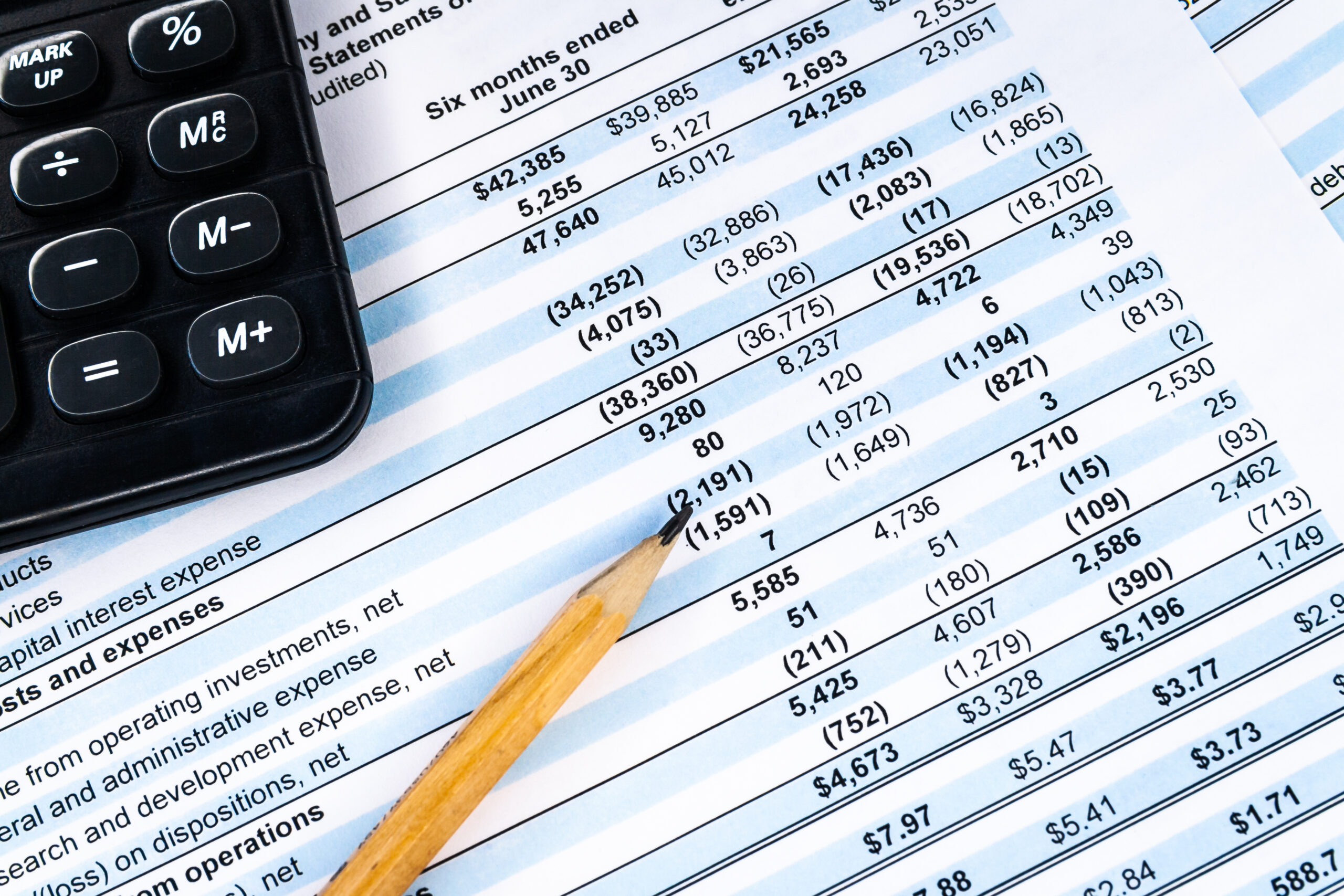
When you apply for an apartment, a landlord may ask for pay stubs, proof of income, employment verification, references, and sometimes bank statements.
That last one can feel uncomfortable.
A bank statement shows a lot more than your income. It may show where you shop, what bills you pay, transfers between accounts, subscriptions, medical payments, debt payments, or financial habits you may not want a landlord reviewing.
So, why do landlords ask for bank statements?
Usually, they’re trying to verify that you can afford the rent. But that doesn’t mean you should hand over more information than necessary without asking questions first.
A bank statement can be a useful document in a rental application, especially if:
- You’re self-employed
- Starting a new job
- Rebuilding credit
- Don’t have traditional pay stubs
But it’s still your financial information.
You should understand why it’s being requested, what the landlord needs to see, and whether there are safer ways to provide the same proof.
Why Landlords May Ask for Bank Statements
Landlords want to know whether you can pay rent on time.
A credit score may show how you’ve handled credit. A tenant screening report may show rental history, eviction-related records, or other background information. But bank statements can show whether money is actually coming into your account and whether you may have enough cash available for move-in costs.
A landlord may ask for bank statements to verify:
- Income deposits
- Employment or gig-work income
- Self-employment income
- Savings for move-in costs
- Regular cash flow
- Ability to cover the security deposit
- Whether your income matches the application
- Whether you can afford rent if your credit is weak
This can be especially common if your financial situation doesn’t fit a standard application.
For example, a landlord may ask for bank statements if:
- You’re self-employed.
- You’re a freelancer or contractor.
- You work gig jobs.
- You recently started a new job.
- You receive irregular income.
- You don’t have recent pay stubs.
- You’re between jobs but have savings.
- You’re retired and using savings or benefits.
- Your credit is low, but your income is stable.
- You have no credit history and need to prove financial stability.
In those situations, bank statements may help tell a clearer story.
What Landlords May Look For
A landlord usually isn’t looking through your bank statement because they care where you bought coffee last week. They’re usually looking for signs that you can afford the apartment.
They may look for:
- Regular deposits
- Income that matches what you listed on the application
- Enough money to cover move-in costs
- A pattern of stable cash flow
- Whether your account is often overdrawn
- Whether rent would take up too much of your money
- Whether your income appears consistent enough for the lease
That said, bank statements can reveal personal details the landlord may not need. That’s why it’s reasonable to ask what they’re trying to verify before you send anything.
A simple question works:
“Are you asking for bank statements to verify income, savings, or both?”
That helps you understand what information is actually needed.
Do You Have to Provide Bank Statements?

It depends on the landlord, the application requirements, and local law.
Some landlords require bank statements for certain applicants. Others accept alternatives, such as pay stubs, W-2s, tax returns, offer letters, benefit letters, or employment verification. Some may only ask for bank statements if income is irregular or if the applicant doesn’t meet other screening criteria.
Before sending bank statements, ask whether another document would work.
You can ask:
- “Can I provide recent pay stubs instead?”
- “Would an employment verification letter work?”
- “Can I provide a job offer letter?”
- “Would tax returns or 1099s be acceptable?”
- “Can I provide proof of savings without sharing full transaction history?”
- “Can I provide a bank letter showing current balance instead?”
- “Can I redact private transactions that aren’t relevant to income?”
If the landlord says bank statements are required, ask exactly what they need to see.
For example, they may only need your name, the bank name, the statement date, deposits, and ending balance. They may not need to see every purchase.
What You May Be Able to Redact
If you decide to provide bank statements, consider redacting information that isn’t necessary.
Redacting means covering or removing private details before sharing the document. You should not alter income deposits, account balances, dates, your name, or anything the landlord needs to verify. But you may be able to hide private purchases or account numbers.
You may want to redact:
- Full account numbers
- Debit card numbers
- Medical payments
- Personal purchases
- Transfers to family or friends
- Subscription details
- Sensitive merchant names
- Notes or memos that reveal private information
You should generally leave visible:
- Your name
- Bank name
- Statement date
- Last four digits of the account, if needed
- Deposits used to verify income
- Ending balance, if savings are being verified
- Pages needed to show the required time period
Before redacting, ask the landlord what they’ll accept. Some landlords may reject heavily redacted statements if they can’t verify income or savings.
A good middle ground is to ask:
“I’m comfortable showing income deposits and balances, but I’d like to redact private transactions that aren’t relevant to the application. Would that be acceptable?”
That’s a reasonable request.
Be Careful With Full Account Numbers
Never send more financial information than necessary.
If a statement shows your full account number, consider redacting most of it. In many cases, the last four digits are enough to identify the account without exposing the full number.
Also be careful about sending bank statements through unsecured methods. Email can be convenient, but financial documents can contain sensitive information. If the landlord uses a secure application portal, that may be better than sending files through text or email.
Before uploading or sending documents, ask:
- “How will my documents be stored?”
- “Who will have access to them?”
- “Is there a secure portal?”
- “How long do you keep application documents?”
- “Can I send redacted copies?”
A legitimate landlord may not have perfect answers to every privacy question, but they should be willing to explain the process.
What If You’re Self-Employed?
Bank statements can be especially useful if you’re self-employed.
Traditional employees can usually show pay stubs. Self-employed renters may need to prove income in other ways because earnings may be irregular or come from multiple clients.
If you’re self-employed, a landlord may ask for:
- Bank statements
- Tax returns
- 1099 forms
- Profit-and-loss statements
- Client contracts
- Invoices
- Payment processor statements
- Business account statements
- A letter from an accountant
- Proof of savings
If your income varies month to month, don’t rely on one statement if it doesn’t show the full picture. You may want to provide several months of deposits, a year-to-date profit-and-loss statement, or tax documents.
You can also include a short explanation:
“I’m self-employed, so my income varies by month. I’ve included bank statements showing regular deposits, along with tax documents and current contracts to show ongoing income.”
That helps the landlord understand what they’re looking at.
What If You Have Bad Credit?
If you have bad credit, bank statements may help show that your current financial situation is stronger than your credit history suggests.
For example, your credit report may show old missed payments, but your bank statements may show steady deposits, savings, and enough money for rent and move-in costs.
That can help if the landlord reviews applications case by case.
But bank statements won’t erase bad credit. If your tenant screening report shows unpaid rental debt, recent missed payments, or a serious unresolved issue, the landlord may still have concerns.
If you’re applying with bad credit, bank statements may work best alongside:
- Recent pay stubs
- Employment verification
- Rental references
- Proof of on-time rent payments
- A short credit explanation letter
- Proof that old debts were paid or resolved
- Co-signer information, if available
The goal is to show the full picture, not just one document.
What If You Have No Credit?
If you don’t have credit history, bank statements may help show stability.
No credit usually means there isn’t much credit history for a landlord to review. That doesn’t mean you’re irresponsible. It just means the landlord may need other proof that you can afford the rent.
Bank statements may help show:
- Regular income
- Savings
- Responsible cash flow
- Enough money for move-in costs
- A financial cushion after rent is paid
You may also want to provide:
- Proof of employment
- A job offer letter
- References
- Utility payment history
- Proof of on-time rent payments
- A co-signer, if needed
A short explanation can help too:
“I don’t have much credit history yet, but I have steady income and savings. I can provide bank statements, proof of employment, and references.”
Simple, clear, and practical.
What If You’re Uncomfortable Sharing Bank Statements?
It’s reasonable to feel uncomfortable. Bank statements can be personal.
If you don’t want to share them, ask whether another document can verify the same information.
Possible alternatives include:
- Pay stubs
- W-2 forms
- Tax returns
- 1099 forms
- Employment verification letter
- Job offer letter
- Benefit award letter
- Pension or retirement income statement
- Bank letter confirming account balance
- Screenshot of deposits and balance, if accepted
- Letter from an accountant
- Payment processor statements
- Prior rent payment history
You can say:
“I’m not comfortable sharing full transaction history. Are you able to accept pay stubs, employment verification, or a bank letter confirming balance instead?”
Some landlords may accept alternatives. Others may not. But it’s fair to ask.
When Bank Statement Requests Can Be a Red Flag
A landlord asking for bank statements isn’t automatically suspicious. But some requests should make you slow down.
Be careful if:
- You haven’t toured the property.
- The landlord won’t prove they own or manage the unit.
- They ask for bank login information.
- They ask for your full account number without a clear reason.
- They pressure you to send documents immediately.
- They won’t explain why they need the statements.
- They ask you to send documents through an unsafe method.
- They won’t answer basic screening questions.
- The rent is much lower than similar listings nearby.
- They ask for payment before showing the property.
- The listing or communication feels rushed or inconsistent.
Never give a landlord your online banking password. A landlord may ask for documents, but they should not need direct access to your bank account login.
If something feels off, pause before sending personal information or money.
Fair Housing Rules Still Matter
Landlords can ask applicants for financial documents, but screening rules should be applied fairly.
A landlord shouldn’t ask for different documents from applicants because of race, color, national origin, religion, sex, familial status, or disability. They also shouldn’t use financial documentation requests as a way to treat protected groups differently.
If the request feels discriminatory, document what happened. Save messages, emails, listings, and notes from phone calls. You may want to contact a local fair housing organization, legal aid office, or housing agency.
A landlord can verify income. But they need to do it fairly.
What to Ask Before Sending Bank Statements
Before sending bank statements, ask a few questions.
Try:
- “Why are bank statements needed?”
- “Are you verifying income, savings, or move-in funds?”
- “How many months of statements do you need?”
- “Can I provide pay stubs or employment verification instead?”
- “Can I redact private transactions?”
- “Do you need all pages or only the page showing deposits?”
- “Can I hide full account numbers?”
- “How will the documents be stored?”
- “Who will review them?”
- “Will the documents be deleted if I’m not approved?”
- “Is there a secure portal for uploading them?”
You don’t need to make it confrontational. You’re just trying to protect your personal information.
Sample Message to a Landlord
Here’s a simple message you can send:
Hi [Landlord or Property Manager Name],
I saw that bank statements are requested as part of the application. Before I send them, can you confirm what you need to verify? I’m comfortable showing income deposits and available funds, but I’d like to redact private transactions and full account numbers that aren’t relevant to the application.
If pay stubs, employment verification, or another document would work instead, I’m happy to provide those.
Thank you. I just want to make sure I’m sending the right information securely.
This keeps the tone polite and practical. It also shows you’re organized, not difficult.
Quick Checklist Before Sharing Bank Statements
Before sending bank statements to a landlord, make sure:
- The rental listing is legitimate.
- You’ve confirmed the person is the landlord or property manager.
- You know why the statements are being requested.
- You know how many months are needed.
- You’ve asked whether alternatives are accepted.
- You’ve redacted full account numbers.
- You’ve redacted private transactions if allowed.
- Your income deposits are still visible.
- Your name and statement date are visible.
- You’re using a secure upload method if available.
- You’ve saved a copy of what you sent.
- You’re not sharing bank login information.
Bank statements can help your application, but they should be shared carefully.
What If You’re Denied After Sharing Bank Statements?
If the landlord denies your application, ask why.
If the decision was based on a tenant screening report, credit report, or other consumer report, you may be entitled to an adverse action notice. That notice should tell you which company provided the report, how to request a free copy, and how to dispute inaccurate information.
If the denial was based on income, ask whether there was a specific income requirement you didn’t meet.
You can ask:
- “Was my application denied because of a tenant screening report or credit report?”
- “Was income the main issue?”
- “What income requirement did I not meet?”
- “Can you send the adverse action notice if a report was used?”
- “Can I provide additional documentation?”
Even if that apartment doesn’t work out, the answer can help you apply smarter next time.
The Bottom Line
Landlords ask for bank statements because they may want to verify income, savings, cash flow, or move-in funds. This can be especially common for self-employed renters, people with irregular income, applicants with no credit, or renters trying to strengthen an application with bad credit.
But bank statements are personal. You have every reason to ask why they’re needed, what the landlord needs to see, whether alternatives are accepted, and whether private transactions can be redacted.
Don’t send more than necessary. Don’t share bank login information. Don’t ignore red flags. And don’t assume a bank statement request means approval is guaranteed.
The goal is to prove what matters while protecting your privacy.
Renters.help is built for people trying to understand what may be getting in the way of rental approval, especially when income verification, credit, tenant screening, application documents, or denials get confusing.
Not sure what documents to share with a landlord? Renters.help can help you understand what landlords may be looking at before your next application.